 Bath & Shower Remodelers
What are the biggest bathroom remodel mistakes to avoid?
The costliest mistakes are skipping a 15-20% budget contingency, picking the wrong tile, moving plumbing without a real need, underestimating the timeline, and skipping required permits. Relocating plumbing alone typically adds $2,000-$5,000, or $3,000-$7,000 when a slab foundation must be cut.
In this guide (10 sections)
- Mistake 1: Not Setting a Realistic Budget With a 15-20% Contingency
- Mistake 2: Choosing the Wrong Tile (Scaling, Grout Nightmares)
- Mistake 3: Relocating Plumbing Unnecessarily
- Mistake 4: Underestimating the Timeline and Leaving Yourself Without a Bathroom
- Mistake 5: Skipping Permits When They're Required
- Mistake 6: Choosing Trendy Over Timeless
- Mistake 7: Not Planning Storage From the Start
- Mistake 8: Poor Ventilation Planning in Texas Humidity
- Mistake 9: Choosing on Price Alone Without Evaluating Quality
- Mistake 10: Underfunding the Lighting
Bathroom remodeling is one of the most rewarding home improvement projects you can do, and one of the most punishing if you walk into it with the wrong assumptions. We've seen every mistake in the book over the years of working in Conroe homes. Most of them are avoidable with a little forethought. Here are the ten that show up most often, and exactly how to sidestep them.
Mistake 1: Not Setting a Realistic Budget With a 15-20% Contingency
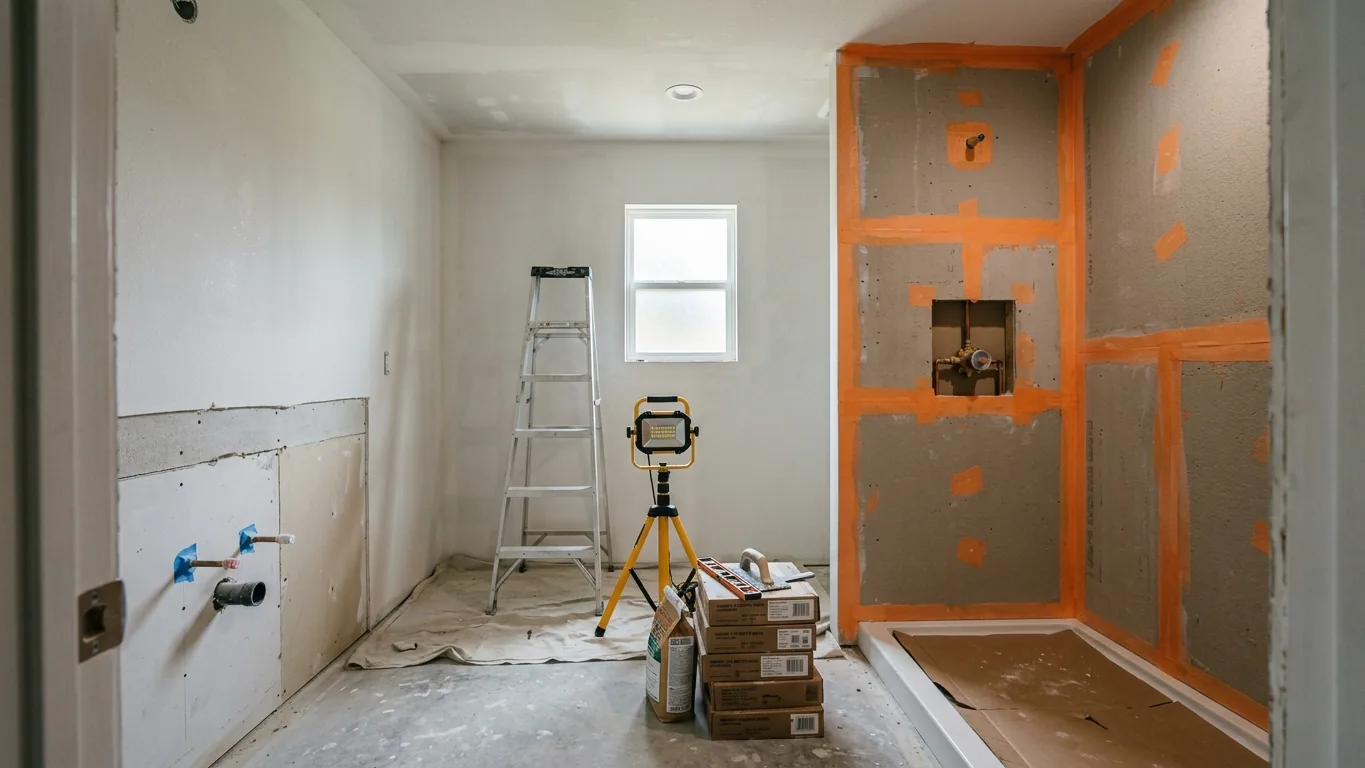
Bathroom remodels almost always cost more than the original estimate. It's simply because the original estimate is based on what's visible before work begins. What's behind the walls and under the floor is unknown until demo day. Rotted subfloor around the toilet base, mold behind old tile surrounds, deteriorated plumbing that needs updating, inadequate existing waterproofing: these are common findings in Conroe homes older than 15-20 years, and all of them cost money to fix properly.
Build a 15-20% contingency into your budget before you sign anything. If you have $15,000 to spend, plan a project that costs $12,000-$12,500 and keep the rest as your buffer. If nothing goes wrong, you'll have money left over for an upgrade. If something does go wrong, and something often does, you won't have to make a painful trade-off mid-project between fixing a real problem and finishing the job.
Mistake 2: Choosing the Wrong Tile (Scaling, Grout Nightmares)
Tile selection is where many homeowners learn an expensive lesson. A few common pitfalls:
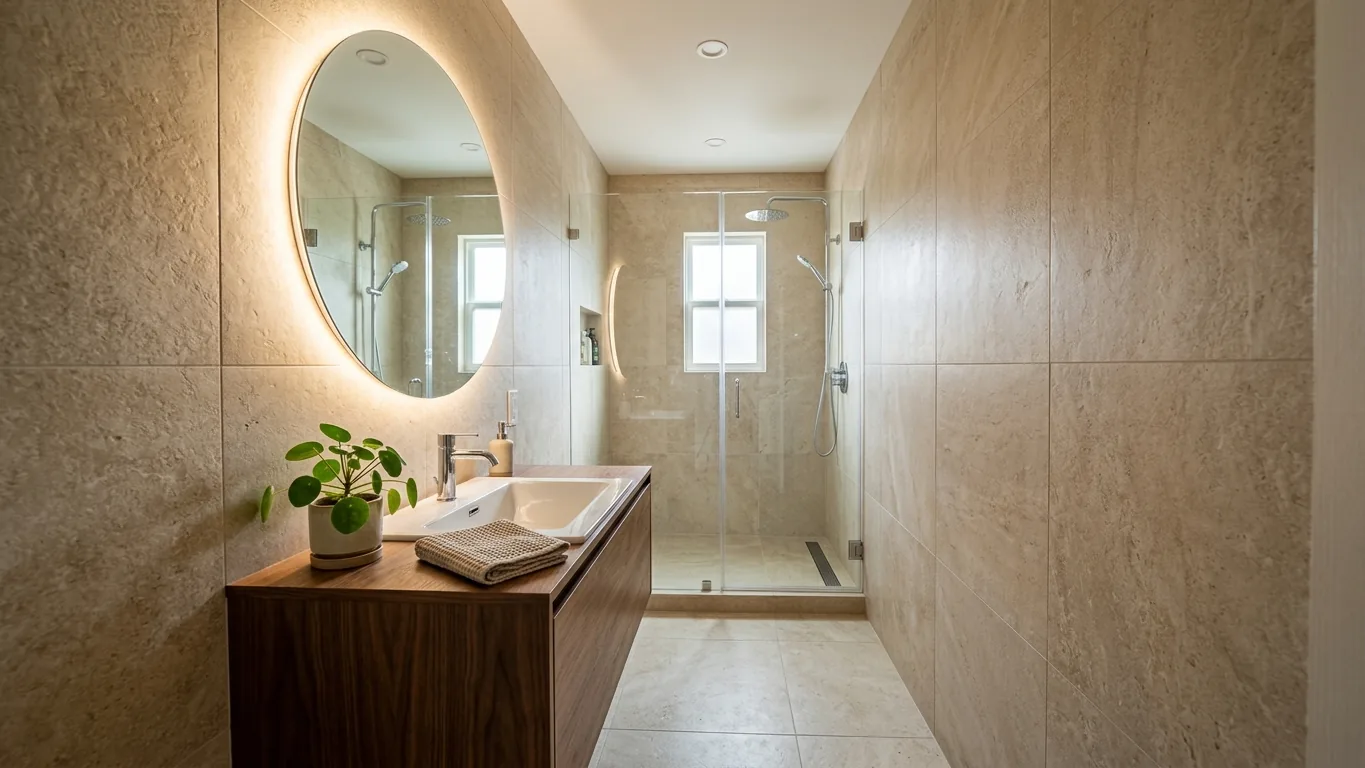
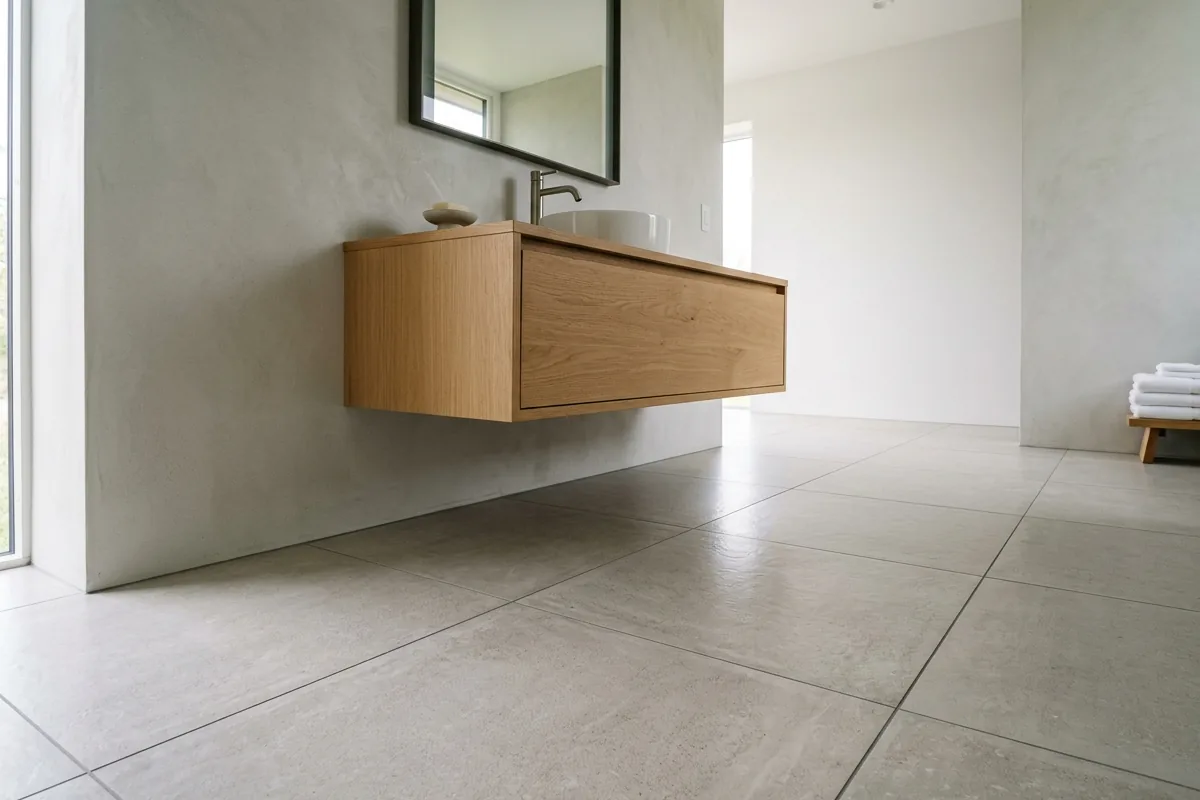
Choosing tile that's beautiful but impractical for the space. Natural stone looks beautiful but requires sealing and is more porous than porcelain. In a high-use shower in Conroe's humid climate, unsealed stone will absorb moisture, harbor mold and degrade faster than porcelain would. If you love the stone look, large-format porcelain tile with a stone aesthetic gives you the visual at a fraction of the maintenance burden.
Choosing small tile for shower floors without thinking about grout lines. A shower floor covered in 1×1 or 2×2 mosaic tile has a lot of grout lines. Grout is porous. More grout lines means more surface area for mold and soap scum to accumulate, and more work to keep it clean. Many Conroe homeowners who chose penny tile or small mosaic shower floors regret it within two years. Larger-format floor tile (3×6, 4×4 minimum) is much more practical.
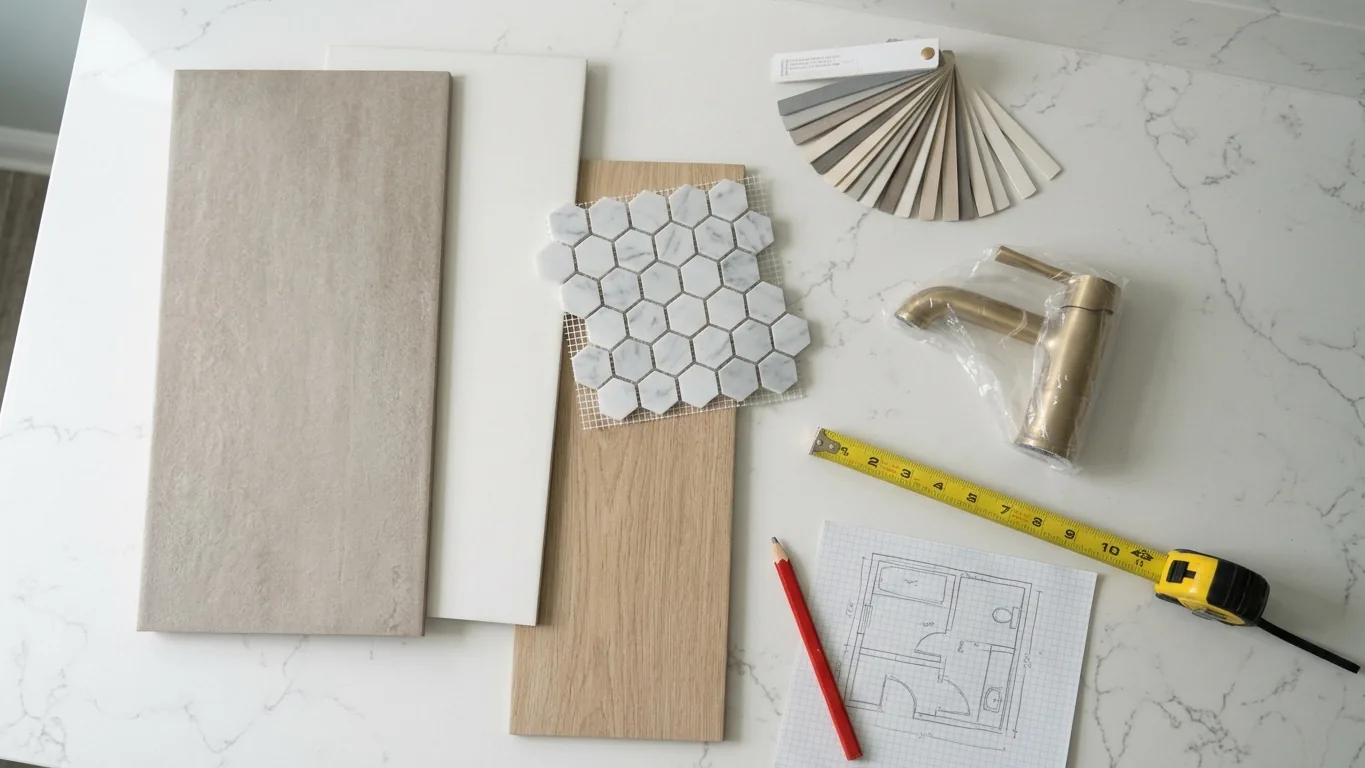
Making decisions based on small tile samples. A 4×4 chip cannot represent how a 24×48 large-format tile will look covering an entire wall. Order a full-size sample or a small box of the tile and look at it in your actual space, under your actual lighting, before committing to ordering enough for the whole bathroom.
Mistake 3: Relocating Plumbing Unnecessarily
"I'd like to move the toilet a foot to the left so the vanity can be bigger" is a statement that, on the surface, sounds like a small change. Under a slab-foundation home, the most common construction type in Conroe, moving a toilet means cutting concrete, re-routing the drain line and patching the slab. That's typically $3,000-$7,000 in added cost before a single piece of tile is installed.
Before committing to any plumbing relocation, ask honestly: does the existing layout actually not work for what I want? More often than not, a skilled design conversation during your assessment reveals that the same goal can be achieved with the plumbing staying exactly where it is. We almost always explore that option first. Moving plumbing should be the last resort, not the first impulse.
Mistake 4: Underestimating the Timeline and Leaving Yourself Without a Bathroom
Once demo starts, that bathroom is out of service. Period. In a single-bathroom Conroe home, this means having a real plan for where you'll shower and use the toilet for the duration of the project. For a complete gut renovation, that could be 3-5 weeks. We've seen homeowners discover this reality after demo has already started. That's not the time to figure it out.
Plan for this before you sign a contract. Know which bathroom you'll use. Communicate with whoever else shares your home. If the remodel is your only bathroom, discuss timeline minimization with your remodeling team upfront, not as an afterthought. See our guide on how long bathroom remodels take for detailed timelines by project type.
Related readingBathroom Remodel Checklist: A Step-by-Step Guide for Conroe Homeowners
Mistake 5: Skipping Permits When They're Required
This one has consequences that outlast the project. In Conroe, cosmetic remodels (new tile, fixture swaps, paint) don't require a building permit. But projects involving plumbing changes, electrical work or structural modifications do. Skipping permits on work that requires them creates two significant problems:
First, the work may not be inspected, meaning structural or plumbing errors that create safety risks or future water damage aren't caught. Second, when you sell the home, the permit history is discoverable. Unpermitted work that should have been permitted can delay or kill a sale, require retroactive inspection, and in some cases require work to be opened up and redone to pass inspection. The cost of pulling the right permit upfront is always less than the cost of dealing with unpermitted work later.
Mistake 6: Choosing Trendy Over Timeless
Every year there are bathroom design trends. Some of them look fresh and exciting in 2026 and dated by 2030. We've seen shag carpet in bathrooms (1970s), seafoam green everything (1980s), Hollywood-style bulb lighting (2010s), and floating barnwood vanities (early 2020s) all cycle through. Homeowners who went all-in on any of those trends now have bathrooms that look like a specific decade rather than a well-designed room.
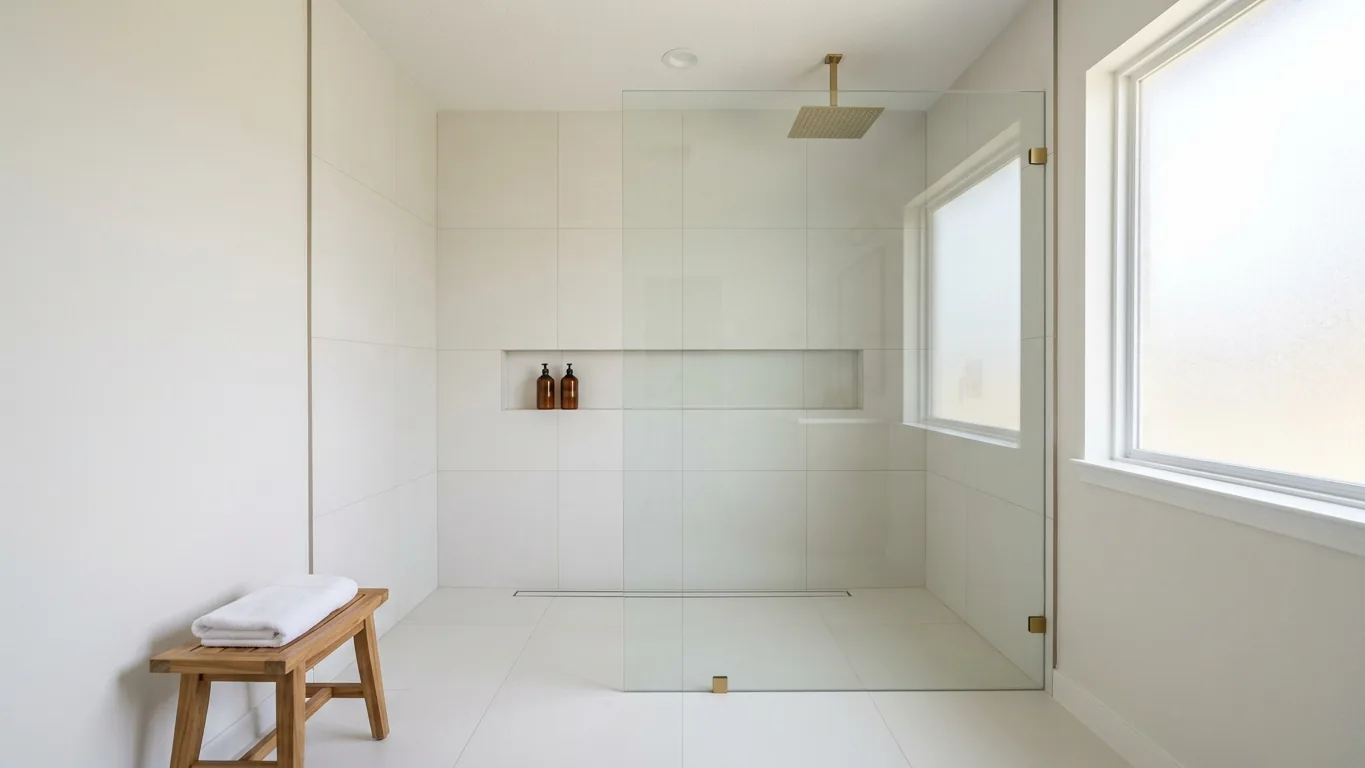
Timeless choices: large-format neutral-toned porcelain tile (whites, greys, warm beiges), white or off-white subway tile with dark grout, brushed nickel or matte black fixtures (not ultra-trendy but have shown staying power), simple vanity profiles with clean lines. You can add personality through accent tile, a statement mirror or hardware, elements that are relatively inexpensive to swap later if your taste evolves. Locking in a full trendy aesthetic in the permanent elements costs a fortune to undo.
Related readingSmall Bathroom Trends 2026: What Conroe Homeowners Are Choosing
Mistake 7: Not Planning Storage From the Start
Storage is the element most often treated as an afterthought in bathroom design. A freshly tiled, beautifully appointed bathroom that has nowhere to put shampoo, toilet paper, extra towels or medication is a bathroom that will frustrate you every day. Storage that gets thought about during the design phase can be built in elegantly: recessed niches in the shower, a medicine cabinet flush with the wall, floating shelving, vanities with optimized internal storage. Storage that gets thought about after the tile is set has to be retrofitted, which usually means surface-mounted solutions that feel like an afterthought because they are.
During your design phase, walk through your actual storage needs: what's currently in this bathroom, where will it go, what makes sense as built-in versus freestanding. Build the answer into the plan before any tile goes up.
Mistake 8: Poor Ventilation Planning in Texas Humidity
This mistake is especially costly in Conroe. Montgomery County's climate means bathroom humidity doesn't just disappear. It lingers, penetrates and creates mold if the ventilation is inadequate. Builders frequently install the cheapest code-minimum exhaust fans, and older Conroe homes often have fans that either don't move enough air, exhaust into the attic (a code violation that's surprisingly common), or have deteriorated to the point of being essentially decorative.
A bathroom remodel is the right time to install a properly sized, properly ducted exhaust fan vented to the exterior of the home. For bathroom square footage up to 100 sq ft, a fan rated at 110 CFM is the right minimum. For larger master baths, go higher. Combination exhaust fan/light/heat lamp units are excellent in Conroe for adding warmth in winter while handling humidity in summer. This is a $200-$600 upgrade during a remodel that prevents thousands in future mold remediation.
Mistake 9: Choosing on Price Alone Without Evaluating Quality
The cheapest quote for a bathroom remodel is almost always cheap for a reason. The reason might be lower-grade materials, skipped steps (particularly in waterproofing and subfloor prep), less experienced installation, or a plan to add change orders that bring the final number back up to where it should have started. The real cost of a poorly executed bathroom remodel (water intrusion behind walls, failed tile, glass enclosures that never seal properly, plumbing that needs correction) is always higher than the amount saved on the original bid.
When evaluating quotes, ask specific questions: What waterproofing system do you use behind shower tile? What's the backer material? How do you handle subfloor inspection, and what happens if you find damage? A remodeler who gives clear, specific answers to these questions is likely doing the work correctly. One who deflects with vague answers may not be. Price is one factor. Clarity about what you're getting is another.
Mistake 10: Underfunding the Lighting
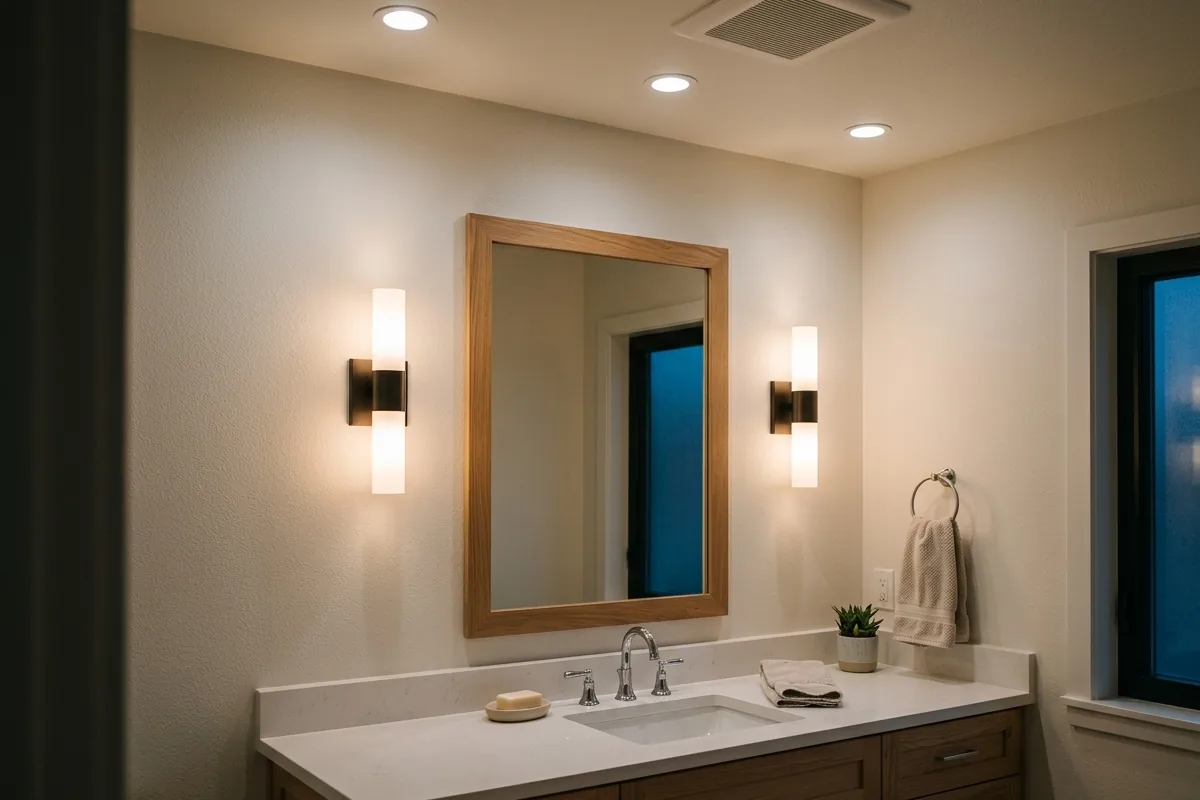
Lighting is the most underfunded element in most bathroom remodels, and it has the largest impact on how the finished space actually feels and functions. A perfectly tiled bathroom with a single overhead flush mount and a basic vanity bar is going to look flat and dim. The same bathroom with layered lighting, an overhead for general illumination, task lighting flanking or above the mirror for face-level accuracy, and perhaps a small accent light in a niche, feels like a completely different space.
Bathroom lighting upgrades are inexpensive compared to tile and fixtures. LED vanity lights that provide even face illumination range from $80-$400. In-shower recessed lighting adds ambiance and practicality. Dimmer switches allow you to use the bathroom at full brightness for getting ready and softer light for evening routines. Budget $400-$1,200 for a thoughtful lighting plan. It returns more per dollar spent than almost any other element in the bathroom.
Plan Smart, Remodel Once
Every one of the mistakes above is more expensive to fix after the fact than to avoid upfront. A free on-site assessment with our team is the best way to make sure your project is planned correctly from the start. We review the scope, flag potential issues based on what we see in your home, and help you make material and design decisions that will serve you well for years.
Call (936) 323-7123, email contact@bathroomsremodelingconroe.com, or schedule your free assessment online. We also recommend reviewing our Conroe bathroom remodel cost guide and our complete bathroom remodel service page as you plan your project.